
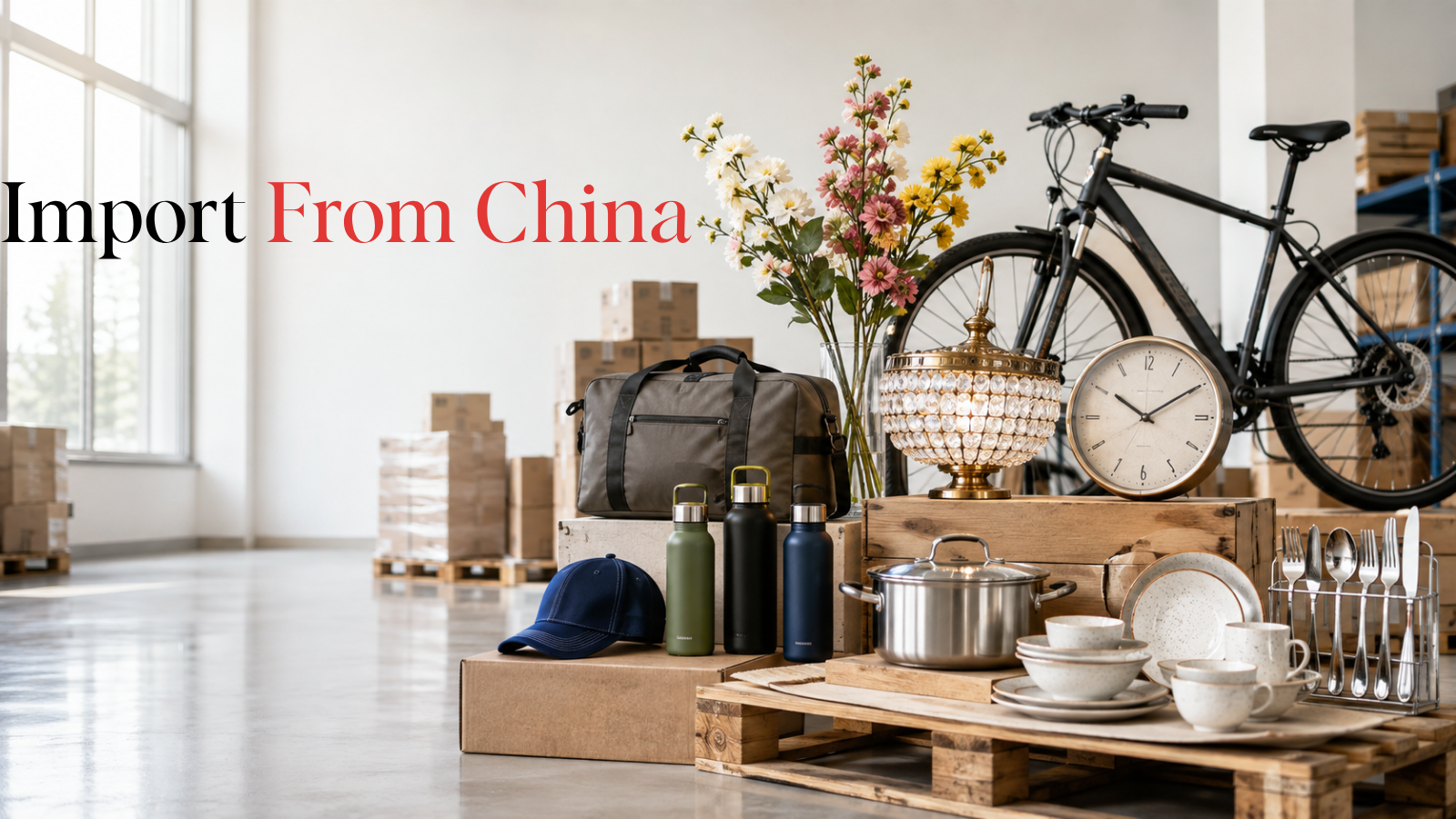
Products Imported from China to India: High-Demand Items Businesses Source
Importing products from China to India continues to be one of the most effective ways for businesses to expand their product portfolio, improve profit margins, and access reliable manufacturing capabilities. From consumer electronics and industrial machinery to electrical products, packaging materials, and home essentials, Chinese manufacturers offer businesses a wide range of sourcing opportunities across almost every industry.
However, successful importing is not simply about selecting a popular product or finding the lowest supplier price. Businesses also need to evaluate supplier credibility, product quality, compliance requirements, shipping costs, customs clearance, and the total landed cost before placing an order. A strategic sourcing approach helps reduce risks while building a more reliable supply chain.
Whether you’re launching a new import business, supplying wholesalers, expanding your e-commerce catalogue, or sourcing products for manufacturing, understanding which products imported from China to India are in demand can help you make informed sourcing decisions.
In this comprehensive guide, we’ll explore the most commonly imported product categories, explain how to choose the right products, highlight common importing mistakes, and share best practices for importing confidently from China to India.
Why Indian Businesses Import Products from China
Indian businesses import products from China because the country offers one of the world’s largest and most advanced manufacturing ecosystems. Businesses can source products across multiple industries, customise specifications, benefit from large-scale production capabilities, and access competitive pricing without compromising on product variety.
Importers ranging from wholesalers and retailers to manufacturers and e-commerce brands rely on Chinese suppliers for products that support business growth and customer demand. Whether sourcing standard products or customized solutions, working with reliable manufacturers allows businesses to maintain consistent supply while improving operational efficiency.
However, successful importing depends on more than price. Businesses should carefully assess supplier credibility, manufacturing capabilities, product quality, certifications, shipping arrangements, and Indian import regulations before placing bulk orders. Partnering with an experienced China sourcing company can further simplify supplier verification, negotiations, quality inspections, and logistics coordination.
High-Demand Products Imported from China to India
Several product categories continue to experience strong demand among Indian businesses. Choosing the right category depends on your target market, business model, investment capacity, and long-term growth strategy.
Consumer Electronics
Consumer electronics remain one of the most popular product categories imported from China. Rapid technological advancements, growing consumer demand, and competitive manufacturing make this segment highly attractive for retailers and online sellers.
Common products include:
- Mobile accessories
- Smart watches
- Bluetooth speakers
- LED lighting
- CCTV cameras
- Smart home devices
- Computer peripherals
- Charging accessories
Before importing electronics, businesses should verify supplier credentials, product certifications, warranty policies, and quality control processes. Product inspections before shipment can significantly reduce quality-related issues.
Industrial Machinery and Equipment
Manufacturing companies across India frequently import industrial machinery from China due to its extensive production capabilities and competitive pricing.
Popular machinery includes:
- Packaging machines
- CNC machines
- Textile machinery
- Printing machines
- Industrial automation systems
- Food processing equipment
- Manufacturing tools
Since machinery represents a significant investment, businesses should verify technical documentation, after-sales support, spare parts availability, installation requirements, and production quality before finalizing suppliers.
Electrical Products and Components
Electrical products continue to be among the most imported products from China to India, serving manufacturers, contractors, distributors, and infrastructure projects.
Frequently imported products include:
- Electrical switches
- Circuit breakers
- Power supplies
- Connectors
- LED drivers
- Electrical cables
- Wiring accessories
- Industrial electrical components
Importers should ensure that electrical products comply with applicable Indian safety standards and certification requirements wherever necessary.
Home and Kitchen Products
The demand for home improvement and kitchen products continues to grow as consumers seek affordable, functional, and innovative household solutions.
Popular imports include:
- Kitchen organisers
- Storage containers
- Cookware
- Cleaning tools
- Bathroom accessories
- Decorative items
- Household essentials
Businesses should evaluate packaging quality, supplier consistency, and product durability to maintain customer satisfaction and minimise product returns.
Fashion Accessories
Fashion accessories remain an attractive product category for retailers, wholesalers, and e-commerce businesses due to evolving consumer preferences and repeat purchase behaviour.
Common imports include:
- Handbags
- Wallets
- Sunglasses
- Jewellery
- Watches
- Belts
- Lifestyle accessories
As fashion trends change rapidly, businesses should work with reliable Chinese manufacturers capable of maintaining quality while offering flexible production options and customisation.
Packaging Materials
Packaging materials are widely imported by manufacturers, exporters, and online businesses looking for cost-effective and customised packaging solutions.
Popular products include:
- Corrugated boxes
- Flexible packaging
- Plastic containers
- Protective packaging materials
- Labels and stickers
- Industrial packaging supplies
High-quality packaging not only protects products during transportation but also improves the customer experience and strengthens brand perception.
Product Categories at a Glance
| Product Category | Common Buyers | Key Considerations |
| Consumer Electronics | Retailers, E-commerce Sellers | Certifications, Quality, Warranty |
| Industrial Machinery | Manufacturers | Installation, Spare Parts, Inspection |
| Electrical Products | Contractors & Distributors | Compliance & Safety Standards |
| Home & Kitchen Products | Retailers & Wholesalers | Packaging & Product Quality |
| Fashion Accessories | Retailers | Material Quality & Trends |
| Packaging Materials | Manufacturers & Exporters | Durability & Customisation |
How to Choose the Right Products to Import from China to India
Choosing the right products to import from China to India involves much more than comparing supplier prices. A profitable import business depends on selecting products with consistent market demand, reliable suppliers, manageable shipping costs, and healthy profit margins. Before placing a bulk order, businesses should evaluate every stage of the sourcing process to minimise risks and maximise long-term success.
Research Market Demand
Start by understanding whether there is genuine demand for the product in the Indian market. Analyse industry trends, customer preferences, competitor pricing, and seasonal demand before finalising a product category.
Ask yourself:
- Is there consistent demand throughout the year?
- Who is the target customer?
- How competitive is the market?
- Can you differentiate your offering?
- Is the product suitable for online or offline sales?
Selecting products with sustainable demand helps build a more stable and profitable import business.
Calculate the Total Landed Cost
Many first-time importers focus only on the supplier’s quotation. However, the actual cost of importing includes several additional expenses.
Calculate:
- Product cost
- Freight charges
- Customs duty
- GST
- Insurance
- Local transportation
- Warehousing
- Packaging
- Handling charges
Understanding the total landed cost allows businesses to estimate accurate profit margins before importing.
Verify Supplier Credentials
Working with reliable Chinese suppliers significantly reduces sourcing risks.
Before placing an order, verify:
- Business registration
- Manufacturing capability
- Export experience
- Factory certifications
- Customer reviews
- Production capacity
- Quality control systems
Supplier verification is one of the most important steps in successful product sourcing from China.
Understand Indian Import Regulations
Different products may require specific certifications, testing standards, or government approvals before they can be imported into India.
Businesses should check:
- BIS requirements
- Product compliance standards
- Import restrictions
- Customs documentation
- HS Codes
- DGFT guidelines
- IEC requirements
Understanding regulatory requirements before ordering helps avoid customs delays and unexpected costs.
Checklist Before Importing Products from China to India
Before confirming your first shipment, complete the following checklist to reduce sourcing risks and improve operational efficiency.
✔ Verify the supplier’s business credentials
✔ Request product samples
✔ Compare quotations from multiple manufacturers
✔ Finalise product specifications
✔ Calculate the total landed cost
✔ Understand customs duties and GST
✔ Confirm packaging requirements
✔ Agree on payment terms
✔ Schedule a pre-shipment inspection
✔ Finalise shipping timelines
✔ Confirm Incoterms
✔ Prepare import documentation
A structured checklist ensures fewer surprises after production begins.
Common Mistakes When Importing Products from China to India
Many importing challenges can be avoided through proper planning. Understanding common mistakes helps businesses save time, reduce costs, and protect their reputation.
Choosing Suppliers Only by Price
The lowest quotation doesn’t always provide the best value.
Low-cost suppliers may compromise on:
- Product quality
- Raw materials
- Manufacturing standards
- Packaging
- Delivery timelines
Always evaluate supplier reliability alongside pricing.
Skipping Product Inspection
Failing to inspect products before shipment increases the risk of receiving defective or incorrect goods.
Pre-shipment inspections help verify:
- Product quality
- Quantity
- Packaging
- Product specifications
- Labelling
- Export readiness
Quality inspections are especially important for customised and high-value products.
Ignoring Shipping and Import Costs
Unexpected logistics costs often reduce profitability.
Businesses should account for:
- Ocean or air freight
- Customs clearance
- Import duty
- GST
- Inland transportation
- Port handling charges
Knowing the complete landed cost prevents pricing mistakes.
Poor Communication with Suppliers
Miscommunication is one of the biggest reasons for production delays.
Always document:
- Product specifications
- Material requirements
- Colours
- Dimensions
- Packaging standards
- Delivery schedules
- Quality expectations
Clear communication minimises production errors and supplier disputes.
Why Businesses Choose a China Sourcing Agent for Imports
Finding products online is relatively simple. Finding reliable manufacturers who consistently deliver quality products is much more challenging.
A professional China sourcing company helps businesses streamline the sourcing process while reducing operational risks.
China sourcing services typically include:
- Product sourcing
- Supplier identification
- Supplier verification
- Price negotiation
- Factory audits
- Product inspections
- Production monitoring
- Shipping coordination
- Customs documentation support
- Logistics management
Working with an experienced sourcing partner is particularly beneficial for first-time importers, customised products, and large-volume purchases.
Why Businesses Trust Professional Sourcing Support
Importing products successfully involves much more than placing an order with an overseas supplier. Businesses also need confidence that products meet agreed specifications, suppliers are genuine, shipments are properly coordinated, and documentation is complete.
Professional sourcing support helps businesses simplify every stage of the import process by assisting with:
- Product sourcing from China
- Supplier verification
- Factory audits
- Price negotiation
- Product inspections
- Production monitoring
- Shipping coordination
- Customs documentation
- Import logistics
Whether you’re sourcing standard products or customised goods, working with experienced sourcing professionals helps reduce operational risks while improving supply chain reliability.
Final Thoughts
Importing products from China to India continues to create significant opportunities for wholesalers, retailers, manufacturers, distributors, and e-commerce businesses. However, long-term success depends on much more than selecting a high-demand product. Businesses that carefully evaluate market demand, verify suppliers, inspect product quality, understand import regulations, and calculate the complete landed cost are better positioned to build a reliable and profitable import business.
Whether you’re importing consumer electronics, industrial machinery, electrical components, packaging materials, or customised products, a structured sourcing strategy helps minimise risks and improve business outcomes.
If you’re looking for expert assistance with product sourcing from China, supplier verification, factory audits, quality inspections, shipping coordination, or end-to-end China sourcing services, Surti & Co. can help simplify the entire sourcing journey. Our experienced team works closely with businesses to identify reliable manufacturers, negotiate competitive pricing, oversee quality assurance, and manage international logistics, helping you import from China with greater confidence, transparency, and efficiency.
1. What are the most popular products imported from China to India?
Some of the most imported products from China to India include consumer electronics, industrial machinery, electrical components, home and kitchen products, fashion accessories, packaging materials, mobile accessories, smart devices, and manufacturing equipment. The ideal product category depends on your target market, investment capacity, and long-term business goals.
2. Is importing products from China to India profitable?
Yes. Importing from China can be profitable when businesses select the right products, work with reliable suppliers, calculate the total landed cost accurately, and manage logistics efficiently. Long-term profitability depends on strategic sourcing rather than simply purchasing products at the lowest price.
3. How can I find reliable Chinese suppliers?
Businesses can identify reliable suppliers through verified B2B marketplaces, international trade fairs, manufacturer directories, or by working with an experienced China sourcing company. Before placing bulk orders, suppliers should always be evaluated through business verification, factory audits, product sampling, and quality inspections.
4. Can I import products from China in small quantities?
Yes. Many manufacturers accept smaller orders, although the Minimum Order Quantity (MOQ) varies by product type and supplier. Small businesses often begin with lower-volume orders to test product demand before scaling up.
5. Do I need an Import Export Code (IEC) to import from China?
Yes. In most cases, businesses importing commercial goods into India require an Import Export Code (IEC) issued by the Directorate General of Foreign Trade (DGFT). Depending on the product category, additional licences or certifications may also be required.
6. Which products are commonly imported from China?
Profit margins depend on demand, competition, shipping costs, and sourcing efficiency. Consumer electronics, industrial equipment, electrical products, customised merchandise, home improvement products, and selected fashion accessories often provide attractive business opportunities when sourced strategically.
7. What are the biggest risks when importing from China?
Some common risks include:
Choosing unreliable suppliers
Receiving poor-quality products
Incorrect product specifications
Delayed shipments
Customs clearance issues
Unexpected freight or import costs
Regulatory non-compliance
Most of these risks can be reduced through supplier verification, quality inspections, and careful planning.